
It is day 80 of lockdown in Perú, and as many other countries, we are all suffering with the pandemic effects. The COVID-19 has definitely changed most of our activities, how we work, socialize, entertain, eat and many more. Companies, governments and citizens are adopting day by day to this «new normal» and trying to deal with it in the best way, trying social distance, remote home office and routine food sanitation in order to mitigate it’s tremendous impact and win some time so a vaccine can finally be deployed; nonetheless, there are also valuable learnings to pick up from this situation that we can all apply in product management, specifically, in this article I would refer to technology products.
Ever since the lockdown was establish in Perú, an economic program was promoted by the Peruvian government to help lots of families in a state of poverty and extreme poverty. This program was called «Bono Universal». [3] According to ElComercio, the economic subsidy is about PEN 760 and would get to 6.8M families to support these difficult times. It was a remarkable action to help citizens, however it’s implementation presented many problems. [4] Failures in the enumeration of homes, lack of entity leadership that defines a single ministry source, endless queues for collecting money that became sources of infection as well, identity fraud in bond collection. To sum up, many issues related to the pre-implementation stage.
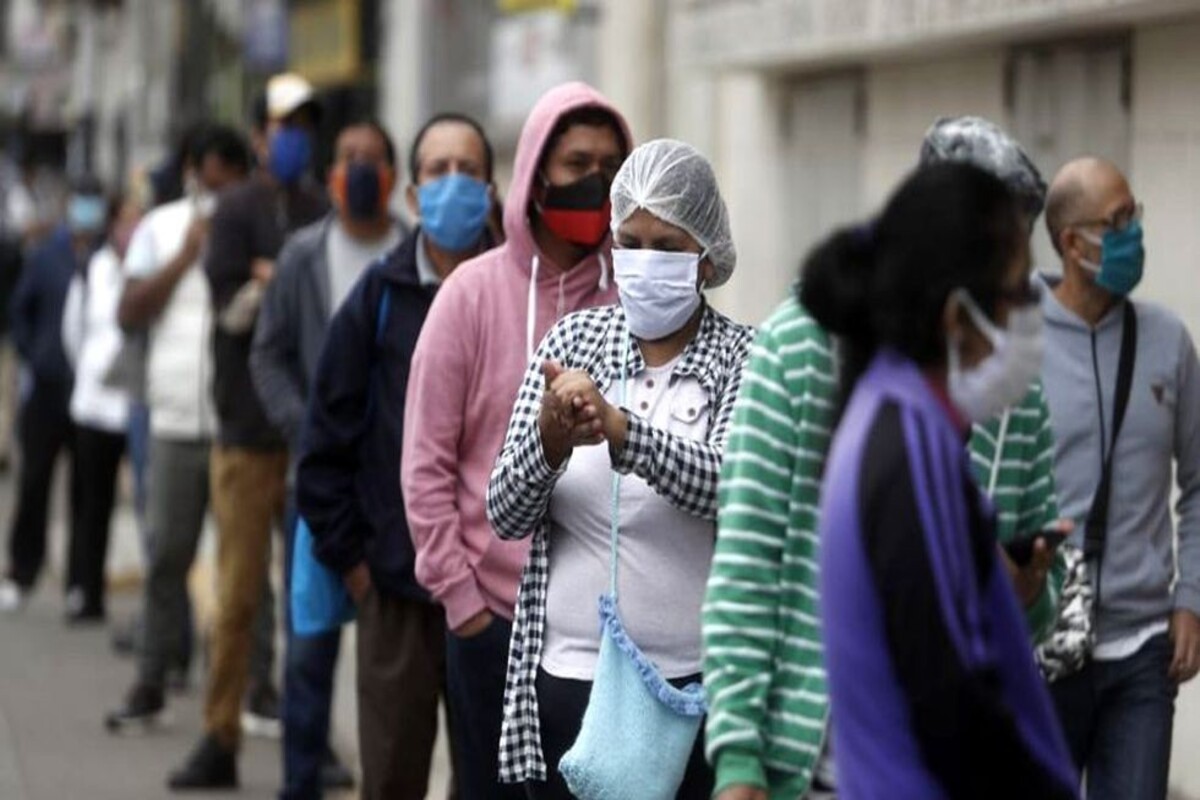
Now, why am I mentioning all this? It is because for a solution to be effective, it needs to implemented efficiently but designed carefully and even procedurally. This social program presented ever since the beginning huge challenges because it needed to be deployed rapidly, to scope the families who really needed the money, there was no updated list of this families, lots of informality and inequality, and low banking rate in poor sector. I noticed that many great professionals in this network recognized this challenge and step up so back then was when I realized of the real challenge that we were about to begin. A formal collaborative iterative procedure needed to be taken to mitigate risks.
In tech products usually happen the same story. [5] There are many reasons for an idea not to work out. The model used is more about gathering requirements than discovering with users (they might want X but the organization is thinking of Y), the participation of key stakeholders is late such as UX/design team (with limited time they might only adjust UI interfaces) and engineers (might require new technology to make it scale), agile principles applied only to delivery stage (poor focus is really on discovery training by agile coaches) and an output-centric approach rather than an outcome approach (roadmap full of features), just to mention a few.
How to address this issues? Developing a strong product culture and working really hard on a process to identify ideas and validate them before implementing them, I mean adopting continuos discovery. [6] This means really to think if our users would buy the product (value risk), if it is easy enough to use it (usability), if is possible to build it (feasibility risk) and if our stakeholders are willing to support the initiative and it generates benefit for the company (business viability risk).
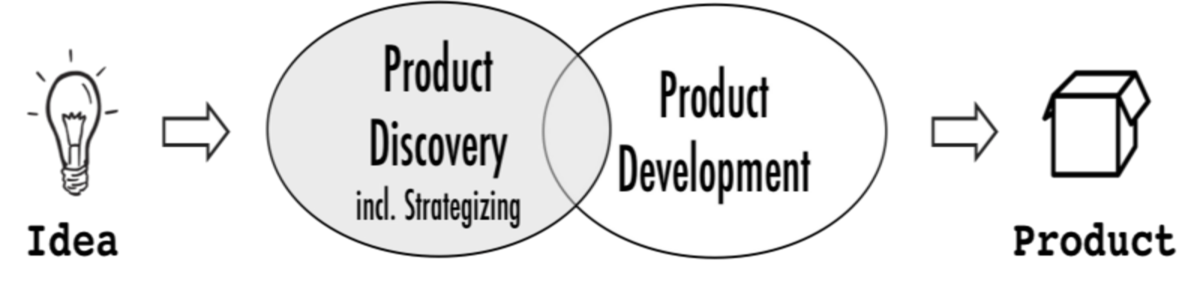
Just to mention an example. Imagine you have an idea and push forward to implement its pieces: features. It might be constructed in the shortest time with support of all the team and using additional hours, but that does not guaranteed giving value to the user. This in fact would surely have a negative impact of quality and future modifications in your product because technical consideration would not have been taken into account. You can follow on and on full of features and even make changes in the team to «solve» quality issues but the truth is that the problem underneath would not has been addressed. Let’s get back to the «Bono universal» story. I hope government really took enough time to study and design the solution. If that’s so, then I congratulate them, if not, then I take this learning to recognize the importance of defining and iterating possible solutions first before passing into the delivery stage.
Finally, this is why Product discovery is so important to become one of the main pillars in organizations. People need to be trained, organization need to embrace a product mindset and continuous discovery needs to be done in an agile and iterative way so organizations can create really powerful products, products that are not ruled by output but in outcomes.
Referencias:
- [1] Clipdealer. “Cartoon Muscular Earth, protect from covid-19”.
- [2] TechSmith.
- [3] Israel Lozano. 2020. “Bono Familiar Universal: ¿quiénes y desde cuándo recibirán los 760 soles del nuevo subsidio económico?”. ElComercio
- [4] Lucero Chávez. 2020. “Bono Familiar Universal: ¿Cuáles son los problemas de fondo de identificar a los beneficiarios del subsidio?”. ElComercio
- [5,6] Marty Cagan. 2018. «Inspired: how to create tech products customers love«. Wiley.